Discipline Tank
The principleI honor my commitments to myself and others, regardless of mood, excuse, or circumstance.
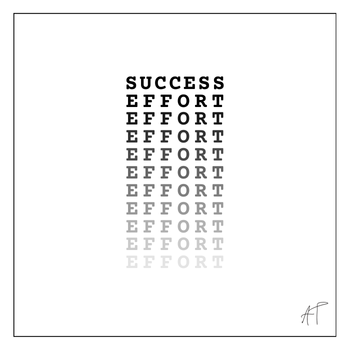
The first principle is the hardest because it demands brutal honesty. Almost everyone says they work hard. Most of them mean they were busy. Real work is measured in consistency, showing up when you're tired, when you're distracted, when no one is watching. Very few people push themselves past comfort, past distraction, past the point where the brain screams stop. That's where discipline lives. This principle is about keeping the promise you made to yourself. If you said you'd send 25 outreaches to make a career move this week, discipline is finishing all 25 no matter what. Stack enough of those reps, and results will come. That's the tank you're building. Once the fuel is in, the machine doesn't stop until the finish line.
We often think of this in terms of physical fitness, going to the gym a certain number of times or losing weight, but it applies to everything. Every promise you make to yourself, whether in your relationships, career, health, or habits, is another chance to prove you can follow through. Again, the point is the action of doing, because we said we would.
What the Science Says
Discipline works like a muscle. Neuroscientists call it neuroplasticity, the brain's ability to rewire itself through repetition and effort. Every rep of sticking to a commitment makes the wiring stronger. Phillippa Lally's team at UCL tracked people building new habits and found it took 66 days on average before the habit felt automatic. The range across their subjects was 18 days to 254. That spread is the real finding. If you quit at day 30 because it still feels hard, you may have been nowhere near the end.
Attention is the other piece. Cornell Health explains it simply: attention is tuning out what doesn't matter so you can focus on what does. Distraction is the killer. The person who pretends to "work" while scrolling their phone is bleeding energy. Flow, the state where hours disappear and performance spikes, only comes when attention is undivided.
Tiger Woods was trained and disciplined. His father had him gripping a club before he could walk. By three, Tiger shot 48 for nine holes. At 21, he was the youngest Masters champion in history. Commentators called it destiny. The reality? His work ethic was engineered. Years of training built a discipline tank that could carry him further than talent ever could.
Sports is the obvious case. It shows up everywhere else too. Walt Disney went bankrupt in 1923 and years later had to talk Bank of America into funding Snow White after other lenders passed. Steve Jobs was fired from Apple before returning to build the most valuable brand on earth. The constant in both stories is a tank filled with discipline.
My tank didn't come preconfigured. It took getting punched in the face by life more than once. As a freshman in high school, I quit wrestling after a few weeks, telling myself the other kids had "natural talent." That was bullshit. What they had was years of discipline that I hadn't yet built. Later, it was the same story in various projects, passions, and physical goals I abandoned halfway. One day, my mom looked me dead in the eye and said, "You don't want it bad enough." It cut deep, because she was right.
I had to fail my way into building this skill. I had to feel the sting of quitting, the regret of knowing I left something on the table, before I learned how to flip the switch. And now, when I go all in, I don't stop until the job is finished. I've trained myself not to quit. The talent came after the effort, not before it. I'm not all-in on everything; no one is. But when I decide it matters, I'm relentless.
You can't chase five major goals at once; your tank will run dry. The strongest people know how to pick one mission and burn everything into it until it's done. Nail that one, then earn the right to pick the next.
The Persistence Factor
Priscilla Blinco gave an unsolvable puzzle to 107 Japanese and 86 American first graders in 1992 and timed how long each child stayed with it. The Japanese children lasted significantly longer. That small persistence gap compounds into higher achievement. I think about this often when I'm asked something I don't know: my brain wants to stop, but I remind myself that the real test is how long I'll keep pushing.
I test the same exact thing in critical interviews. I give candidates a logic riddle, a solvable problem. What matters is what they do in the moment of "I don't know, !!!, I really want to seem smart, and get this job." Do they fight through the wall their brain throws up, the panic of wanting the answer right away, or do they fold? The strongest people are the ones who stay in that space and keep going. Time yourself the next time you hit a problem you can't solve.
Building Your Discipline Tank
Discipline is structure. Think of it as filling a tank, drop by drop.
- Habits Commit to one action every day for 30 to 90 days. That's how you rewire your brain.
- Flow Build environments that eliminate distraction: silence the phone, close the tabs, clean your space.
- Focus Do one thing at a time. Multitasking is wasted fuel.
- Discomfort Go where it hurts. Growth only happens past the comfort zone.
- Persistence Push through walls. Ask questions, try angles, but don't quit early.
You don't need to do everything at once. You just need to make consistent deposits until the tank is full enough to carry you through the hardest challenges. Pick one goal right now. Just one. Write it down. For the next 30 days, do it every single day. No excuses. To raise the stakes, put real skin in the game: money, a prized item, or anything that would hurt to lose. Hand it to a friend or family member with this rule: if you quit, they keep it. Psychologists call this loss aversion. We fear losing more than we value winning. Use that fear to fuel your discipline tank.
Pro tip: Love being a beginner. Love making mistakes. Make them on purpose, and you'll be amazed at how fast you learn and how much fun it is. Ask questions instead of pretending you know. The best leaders I've worked with don't bluff when they're lost; they pause, clarify, and ask sharper questions. When you hit something you don't understand, you either posture or you dig in.
Without discipline, none of the other principles in this book matter. Real success is the ability to keep pushing through walls when everything in you wants to stop. Without it you quit, like most people do.
Your challenge is simple: stop lying to yourself about how hard you work. Start building your discipline tank today. In 90 days your brain will be different.
“Discipline equals freedom.”
Jocko Willink
Beautiful Matters
The principleI present my work and myself with excellence, because appearance is proof of quality.
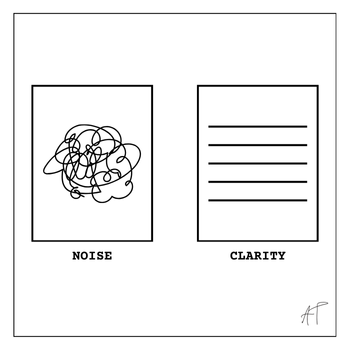
You notice beauty before you think. Long before conscious thought, humans evolved to recognize patterns, symmetry, and order. Olson and Marshuetz flashed faces at people for 13 milliseconds, less than a twentieth of a second, and they still rated attractiveness accurately. Willis and Todorov at Princeton ran the same kind of test at 100 milliseconds and found that giving people more time did not change the verdict. It only made them more confident in it. Beauty here means the recognition of quality and excellence.
What the Science Says
In nature, beauty represents survival. Take the peacock: those massive feathers require enormous energy to grow and maintain, yet they exist because they signal strength and vitality. A weak bird could never produce them, which is why they attract the strongest mates. Birdsong works the same way. Hasselquist and colleagues published in Nature that a male great reed warbler's song repertoire predicted how many of his offspring survived. Beauty is evidence of thriving, a marker of quality built to last. That is what I mean by beautiful: clarity and excellence in appearance.
Beauty sells and it always has. Humans instinctively look for it, in people and in every part of life. We want a partner who carries themselves with presence, because it signals health and strength for the family we may build together. We want a home that's designed well, because good design makes life function better.
The same rule applies at work. The way your work looks, feels, and functions is judged before the substance is ever considered. A clear, well-structured resume gets read when a sloppy one doesn't. A presentation with clean flow and design keeps attention when a messy one loses it in minutes. An email written with precision builds trust where a rambling one erodes it. Excellence in appearance changes outcomes, because people notice how much care you put into what you create. That care signals respect: for your audience, for your ideas, and for yourself.
Excellence tends to show up in three ways: medium, design, and efficiency.
- Medium is the vehicle you choose. Is your message best delivered in a conversation, a one-pager, or a video? Choosing the wrong medium kills clarity.
- Design is how it's presented. Structure, visuals, and the way the story is told.
- Efficiency is how quickly and effectively it delivers. Greg Linden, who worked on Amazon's recommendation team, wrote that their own A/B tests showed every 100 milliseconds of added delay cost real revenue. Amazon never published the numbers. Everyone who has run the test since gets the same direction. When delivery drags, results disappear.
Presentation is the Product
I've created and delivered presentations tied to proposals worth billions of dollars. Again and again, beautiful design, meaning clarity, flow, and visual storytelling, changed the outcome. Leading global firms have design teams and they also teach these skills to everyone, because they know they are fundamental. Too many professionals treat them as an afterthought. People dismiss it. They will say, "PowerPoint is grunt work." They're extra wrong. Telling a story in the medium the room requires, and for much of the corporate world that is PowerPoint, is extremely hard to do. Even at the world's most renowned consultancies, only 1 in 20 people can do it.
Apple built an empire on this belief. Steve Jobs and Jony Ive understood that design was the product. From the clean simplicity of Helvetica fonts to the ritual of unboxing an iPhone, every detail was crafted to feel beautiful. Competitors could match the specs. They couldn't match the experience. And that's why Apple commands a premium: beauty, as much as function, sells.
This lesson applies directly to you in everything that you do. People notice how you show up before they notice what you have to say. Clothes tell part of your story before you open your mouth. A sloppy anything, from the physical to the digital, makes people question your standards before they ever read your achievements. A boring presentation makes people tune out before you deliver your big idea.
I learned this early. Winning "best dressed" in high school taught me how presentation shapes perception. Later, whether in the boardroom, a restaurant, or traveling, people consistently treated me differently when I carried that same intention into how I presented myself. It creates an entirely new environment for how others respond to you, and it sets the standard for how you should be treated. Please don't confuse great appearance with being the loudest or flashiest. That's a mistake. True excellence in appearance is about looking intentional, comfortable, and composed.
Ellis and Jenkins tested 638 people and found watch wearers scored higher on conscientiousness. In a follow-up, the watch wearers turned up 4.1 minutes early to their appointments. Non-wearers, 0.9.
Where Appearance Matters
- Resume signals you respect your own story enough to present it clearly. Quantify results: "Drove 175% growth" beats "responsible for growth." Make sure it can be scanned by Applicant Tracking Systems. Redo it for every single new application.
- Social profiles signal you understand your digital first impression. Own your name.com for credibility and control. Share photos where you're leading or presenting.
- Email and SMS signal you care about clarity. Be to the point; simple words, short, never jargon. Never overuse CC, it signals insecurity.
- Presentations signal you can tell a story with authority. Start with the conclusion. Never read from the slide. Never tell someone "it's coming up." Answer the question.
- Dressing for the occasion signals you take yourself and the opportunity seriously. Invest in tailoring. Wear a watch. Never overdress to outshine.
- Home and workspace signal you create environments that function with ease. Invest in a camera-ready background, good lighting and a standalone camera. Surround yourself, off-camera, with things you love.
Beauty goes deeper than appearances. It's how quality gets recognized before a single word is spoken, in nature and in business. Show up with excellence in how you present yourself and your work and people give you their attention.
Excellence is respect for your ideas, your audience, and yourself. The details you control, from the slides you design to the way you dress, are signals.
“Design is intelligence made visible.”
Alina Wheeler
Kill the Victim
The principleI release blame for my past and circumstances, and take full ownership of my future.
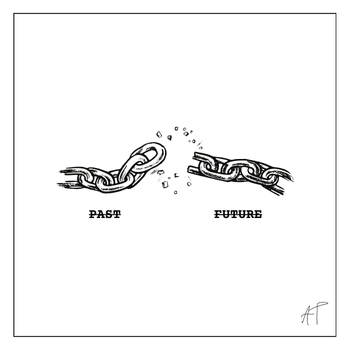
When I was younger, I looked back at my life and told myself I'd had it rough. My parents left for the U.S. when I was small, and I didn't see them for years. When I finally arrived, I couldn't speak English. Alcoholism sat heavy in our home and shaped how I saw family. When it came time for college, I remember this time clearly because it felt like such a fork in the road. I applied to St. Joseph's not because it was my dream. It was simply where my girlfriend's friend was going (the universe conspired in my favor). I carried this belief that if I'd had more help, if I'd been born in the right place, if someone had shown me the way more, I'd already be further along. The story I told myself was simple: I was a victim of circumstance.
That mindset cost me time. It gave me a reason to play small. It let me off the hook when I didn't want to take responsibility.
My grandfather, one of my life's true heroes, then left me a handwritten history of his life as a gift. Jan Kurzawa grew up in Poland during WW2, which split the country in two. My great-aunt fought in the Warsaw Uprising and carried shrapnel under her skin for years. My family hid in a hand-dug bunker while shells pounded the fields above. School closed, food disappeared, and survival became the only focus. After the war, he rebuilt from almost nothing, learned trades, and eventually flew to New York with just a few dollars and unshakable grit. He worked brutal hours, learned the language, climbed his way up, and pulled others with him. His life said one thing: life isn't fair, but it is yours to take.
Then I read A Long Way Gone, and the lesson piled on from another drastic example. Ishmael Beah was twelve when rebels tore through his village in Sierra Leone. He lost his family. He was forced into war he never chose, drugged, armed, and told to kill or be killed. He endured horrors most of us can't imagine, and somehow crawled his way back through rehabilitation, education, and writing. He didn't erase the past. He wrote it down and made a life out of telling it. That book burned two lessons into me: most of us don't know true devastation, and no matter how unfair your story, staying a victim is still a choice.
That was the pivot. If people can walk through hell and still choose growth, then my "if only" excuses had to die.
What the Science Says
Psychologists describe victimhood as a cycle. You replay what happened to you, focusing on unfairness and loss. Over time, the brain starts wiring itself to seek blame instead of solutions. Carol Dweck's work on mindsets explains it well: a fixed mindset says, "This is who I am, and I can't change." It feels safe because it explains away failure. It's a cage.
A growth mindset rewrites the script. It says, "This happened, but I can learn from it, adapt, and use it to grow." Rumination, obsessing over what went wrong, spikes cortisol and anxiety. Reframing your story, choosing meaning instead of blame, reshapes the stress response. That shift builds resilience and the ability to move forward.
Your past may explain you, but it does not define you. Ownership is the antidote to victimhood. Jocko Willink (whose "Good" video I rewatched hundreds of times) calls it "Extreme Ownership", the radical idea that you are responsible for everything in your life, even the things that weren't your fault. That doesn't mean you caused it. It means you're the only one who can change it.
- You weren't taught something? Learn it now.
- You grew up with chaos? Build structure today.
- You picked up bad habits? Replace them with stronger ones.
- No, fucking, excuses.
The Pain Paradox
The pain you've been through can either be a weight that drowns you or fuel. The difference is whether you choose to use it. Nelson Mandela spent 27 years in prison before leading South Africa out of apartheid. Frida Kahlo turned a life crippled by illness and a horrific accident into art that shook the world.
Pain sharpens you and hardens you for the fight ahead. Every time you say "If only I had..." you hand your power away. Victimhood steals more dreams than failure. Failure at least teaches you something; victimhood keeps you stuck in the same loop.
It's also critical to stop saying "when..." When I get the job, when I make more money, when I meet the right person, then I'll be happy. Every time you do that, you hand your life to some future version of yourself that may never arrive. Notice how often you push your happiness into the future. It's the same trap as victimhood, moved into the future. You're waiting.
Burn the Excuses
A test: write down the excuse you tell yourself most often. The one that starts with "if only I..." or "when I...". If only I had more money. If only I had better parents. When I get the next job. Now burn it. You don't get to carry it forward anymore.
The moment you kill the victim, you open the door to becoming the creator. When I finally made this shift in my own life, everything changed. I stopped thinking about what I didn't have and started focusing on what I could control. I studied, I built, I failed forward. I took ownership of my habits and my mindset. It's a constant check-in with yourself. Every day you must decide again whether you're going to live as the victim or the creator. The world didn't get easier. I got stronger. And once you get a taste of that, there's no going back. You stop envying other situations, and you start creating your own path.
You must control your destiny. Victimhood steals your energy, your relationships, your growth, and your future. Whatever pain you've carried, whatever unfairness you've endured, it can either be your story of why you never made it, or the story of how you turned it into power. The choice is yours. Kill the victim.
“The moment you take responsibility for everything in your life is the moment you can change anything in your life.”
Hal Elrod
There Are No Rules
The principleI reject limits set by others and define success on my terms.
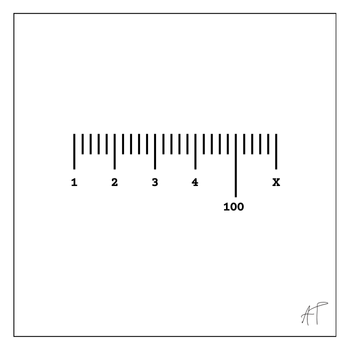
All our lives, people line up to tell us how things are supposed to work. Teachers, bosses, the government, and, often most impactfully, our own families and friends. They don't hand you a printed list, but you hear it enough times to start believing it:
- Go straight to college after high school.
- Get married before you have kids.
- Don't leave a job before two years, or it "looks bad on your resume".
- Put in four or five years as a manager before you're "ready" to be a director.
It sounds safe and predictable. They are all made up. Someone decided them at a particular moment, with limited information, their own biases, and their own interests. Over time, those decisions get repeated so often they calcify into "the way it is." We grow up carrying those invisible limits into school, into work, into our families. We rarely stop to ask where they came from, or whether they still make sense.
What I've learned is simple: if you press against those walls, a lot of them crumble.
We're standing on a planet spinning over 1,000 miles an hour, racing around the sun at 67,000. Just a few centuries ago, empires rose and fell as men carved borders with blood and conquest. In one lifetime, we went from horses pulling carts to rockets carrying men to the moon. Today, individual people hold wealth measured in the tens of billions of dollars (did you know a billion seconds is over 31 years?). The rules said school takes 12 years, college four more, then decades of climbing, yet some teenagers become millionaires before they can even vote.
Facebook: Different Rules for Different Players
Early in my career, I worked a lot on connecting different systems, building integrations so companies could reach customers more effectively. One of the biggest opportunities back then was Facebook. Brands wanted to use Facebook's data to drive engagement. Like our page, get loyalty points, and earn gift cards. Simple idea.
The execution? A nightmare. Facebook kept tightening what data companies could access, even with customer permission. At one point, if a user agreed, you could see their whole profile, a goldmine for marketers. Then Facebook changed the policy. Suddenly, that access expired in 30 days. If you wanted to keep it, you had to ask the customer to reconnect every month. Most didn't. Those projects died on the spot.
Then one of my strategists introduced me to a Facebook partner who somehow had all the data the rest of us couldn't touch. Tens of millions of profiles, advanced behavioral details, all neatly packaged. Their trick? Personality quizzes. Silly stuff like "What pizza are you?" that people clicked on by the millions. The kicker: Facebook gave this company a special exemption. Their data never expired (impossible!).
That company was Cambridge Analytica. The scandal eventually blew up, with congressional hearings, billion-dollar fines, and global headlines. The lesson for me: if you had leverage or the right agreement, the rules bent.
Trump: Breaking the Political Playbook
For decades, the unwritten rule in American politics was clear: you had to be part of the machine. Governors, senators, and generals were all polished, experienced, and backed by the establishment. That was the ladder to the presidency.
Now, yes, we've had candidates outside the mold before. Reagan was an actor. JFK represented a new generation, a political dynasty that broke some traditions. But even they operated within the system. They played the game. They climbed the rungs, built coalitions, and worked through the party.
Then Donald Trump showed up. A businessman, a reality TV star, no political experience, no respect for the playbook. The experts laughed. The media called him unqualified, offensive, a disaster waiting to happen. When the Access Hollywood tape leaked, everyone swore it was over. This was the kind of scandal that should sink any campaign. But it didn't. A month later, he won the election.
This isn't about agreeing or disagreeing with Trump. The rule that only seasoned politicians could be president was a belief people carried because nobody had broken it before.
The Lawyer: A Family's Shortcut
When my family fought to get our citizenship, we did everything by the book. We saved money, hired a lawyer, and trusted her to guide us. That lawyer turned out to be scamming families like ours, taking thousands of dollars and doing nothing. Years were wasted, and we eventually had to start over with someone new. Even then, the process dragged on. Everyone told us, "That's just how it works. It takes years."
And maybe that first lawyer thought she had created her own rule: do no work, still collect the money. But rules like that don't last. Karma is always watching.
But then I watched another family in our community take a different path. They had a connection, someone who knew a person inside the governor's office. They reached out, made the call, and suddenly their paperwork, which should have taken years, was approved in weeks. The rule that the process had to be long and drawn out dissolved the moment someone had the right access.
Breaking rules is not breaking the law. Doing something illegal isn't worth it. It destroys your peace of mind and well-being and puts everything at risk. There are too many opportunities to make unlimited money legally. Understand this: we all have access to the internet. That means you can hire someone to build and launch an AI app for under $100 in under one week.
What the Science Says
In the 1930s most leading physicists believed splitting the atom was impossible. Hahn and Strassmann did it in 1938. The rule held right up until someone tested it.
The Framework: How to Think About Rules
This is about refusing to let invisible rules dictate your ceiling. It is never about cheating or cutting corners.
- Stop being limited by others or society. When people tell you "that's not how it works," what they really mean is, "that's not how it's worked for me." Don't inherit their limits.
- Know there are shortcuts. Some are smarter, faster, better ways to move forward. Don't wait ten years to earn what you could figure out in two.
- Learn to test boundaries. Ask questions. Push back. When a door looks locked, jiggle the handle. Sometimes it opens.
Most of the walls around you aren't real. They're lines drawn by people who came before you. You don't need permission to erase them. You don't need to wait for your turn. You can challenge the limits you've been handed and create new ones for yourself.
“My uncle said I'd never sell a million records. I sold a million records, like a million times.”
Jay-Z
Can't Win Sick
The principleI protect my mind and body first, because without them, nothing else endures.
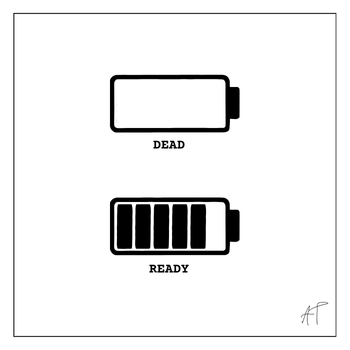
Protect your body and your brain. Nothing else works without them. Neglect your health and you'll face limits. Energy fades, focus slips, and eventually, you burn out. Invest in your well-being and you gain stamina and drive. You can't operate at your best while sick, and if you let it slip too long, you will suffer, or worse. You can build wealth, titles, and accolades, but if your health collapses, it all collapses with it.
Years ago, a friend and I built what we called the Foundation Formula, and I've refined it ever since while working with hundreds of leaders. It's rooted in both science and lived experience: research on the brain, observing high performers, and experimenting in my own life. The Foundation Formula has three parts: Mind, Body, and Inspiration. When they are strong, you gain the energy and resilience to win. When they are neglected, you pay a price.
I know this firsthand. Early in my career, I ignored the basics. Long stretches of sleepless nights, relentless travel, nonstop stress. My body finally broke. I ended up extremely sick, with weeks of hospital visits and doctor warnings I couldn't brush off. It was the scariest stretch of my life, the realization that success meant nothing if I couldn't get out of bed. Since then, I've invested thousands of hours into health and well-being. Nothing is more important, because without it, everything else fails.
What the Science Says
The Harvard Study of Adult Development has followed the same people for over eight decades and keeps finding that physical health and mental sharpness predict performance and fulfillment. Exercise boosts cognitive performance, diet affects mood regulation, and sleep rewires the brain each night.
Van Dongen and Dinges put people on six hours of sleep a night for two weeks. By the end they performed like someone who had not slept at all for two nights running, and none of them thought they were impaired. Separately, Dawson and Reid found that 17 hours awake matches a blood alcohol level of 0.05. At 24 hours you are at 0.10, over the legal limit in every state. Szuhany and Otto pooled the exercise studies. A single workout produces a solid spike in BDNF, the protein that supports learning and memory. The effect of regular training on your resting level is real but smaller. Even mild dehydration reduces concentration and increases fatigue.
You can't grind your way around health. You might survive one all-nighter or a season of poor habits, but the cost comes due, and it collects in lost energy, impaired judgment, or outright illness.
Pillar One: Mind
The mind is the command center. If it's foggy, reactive, or negative, everything else follows. Most people spend more time refreshing their email than strengthening their mental clarity, which is why this pillar is first.
- Reflection the practice of stepping back to understand yourself. Journaling, coaching, or simply quiet thought builds awareness of how and why you react. It shifts you from autopilot into intentional action.
- Presence attention. In a distracted world, being fully present is a superpower. Meditation, breathing exercises, or even deliberate breaks train the mind to focus.
- Positivity Humans are wired to focus on the negative. Positivity counters that wiring. Gratitude lists, reframing setbacks, or deliberately naming what's going well aren't "fluff." They strengthen resilience.
Think of the mind as software: reflection debugs it, presence stabilizes it, positivity upgrades it. Ignore it, and you'll run on corrupted code.
Pillar Two: Body
Your body is the hardware. No matter how sharp your software is, if the machine overheats or doesn't get the right upgrades, nothing runs. The body does not forgive long-term neglect.
- Exercise Movement is fuel for both strength and focus. Even 30 minutes of daily activity has proven benefits for energy, stress reduction, and brain function. Muscle mass is a serious predictor of longevity. Srikanthan and Karlamangla at UCLA tracked 3,659 older adults. The top quarter by muscle mass died at a significantly lower rate than the bottom quarter.
- Nutrition Food is information for your body. Whole foods, balance, and hydration support the brain and immune system. Poor fuel drags performance down fast.
- Sleep the only hyper-hack for well-being. Sleep regulates hormones, repairs tissue, and clears toxins from the brain. Neglect it and sickness comes fast. If you want to win, treat your sleep schedule like your bank account and guard it fiercely.
Pillar Three: Inspiration
Inspiration is the part of you that craves progress. Without it you do the same year twice.
- Learning Lifelong learners stay relevant. Knowledge compounds the same way money does, and small, steady investments in reading, writing, or experimenting create outsized returns.
- Fun Friends, travel, music, hobbies, or play expand perspective, reset stress, and spark creativity. Many cases of "burnout" are just the absence of fun.
- Mentorship Just like coaches protect athletes from injury and accelerate their progress, mentors protect your growth and expand your perspective.
The three pillars don't need to be perfect every day. The point is consistency over time. When the body is weak the mind struggles. When the mind is clouded, growth slows. Each pillar strengthens the others.
Every 90 days, run a simple self-check. Write down each of the nine categories and score yourself 1 to 10. The point is awareness, not shame. When you see the weak spots, you can strengthen them before they break. Mind: reflection, presence, positivity. Body: sleep, exercise, nutrition. Inspiration: learning, fun, mentorship.
You can't win sick. Whatever your motivation, supporting your family, traveling the world, building wealth, or doing work that matters, none of it is possible if you're running on empty. Hustle culture celebrates effort. Effort without health is wasted fuel.
“A healthy man has a thousand dreams, a sick man has only one.”
Indian Proverb
Riches Are in the Niches
The principleI master my craft so deeply that excellence becomes my constant advantage.
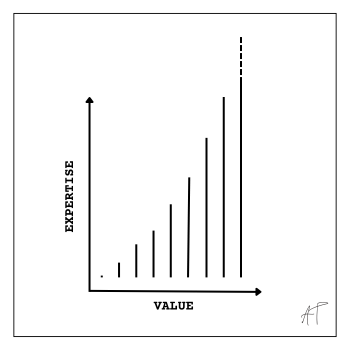
The basis of building wealth is mastery. You don't need to be good at everything. Become great at one thing; that is where the wealth lives.
Doctors and lawyers prove this point. These are respected careers where expertise is rewarded, and for good reason. It takes years of relentless study, late nights, and sacrifice to earn those roles. The world compensates them because few people are willing to endure that grind. And even within these professions, differentiation sets the top apart. A neurosurgeon commands far more than a general practitioner. A trial lawyer who wins massive cases earns multiples of a corporate associate. Hard work creates the baseline, but specialization multiplies it.
Athletes show it another way. In 2024, 43 NCAA players were drafted into the NBA out of 4,359 who were eligible. One percent. Out of all 19,617 men playing NCAA basketball, it is one in 456. The NFL drafts about 250 a year, the NBA 58. Being good, even elite, is not enough. Excellence is the only ticket in.
Mastery itself comes in different forms. Sometimes it's broad, like economics, law, or medicine. That kind of knowledge makes you a strategist who shapes the big picture. Ray Dalio built a fortune by mastering economics at a systemic level. Mastery can also be narrow and technical: a pediatrician, a cybersecurity engineer, a trial lawyer. Or it can be applied and hands-on: fixing European cars, running global supply chains, or coding machine learning models. The form doesn't matter: dabblers get lost in the noise, and experts get paid.
The same applies to business. Companies that fight head-to-head in crowded markets end up fighting over scraps, the "red ocean." In Blue Ocean Strategy (W. Chan Kim and Renée Mauborgne), an incredible read, the authors show how real wealth is created when businesses carve out a category of their own, an uncontested space where their differentiation makes competition irrelevant. What's true for billion-dollar companies is true for you. PS, I read this book in my MBA courses. You can just read them as well, without the $60K price tag.
I've lived this personally. I never got a job in my entire career by applying. I was recruited. Why? Because I wasn't an "anything person." Merkle hired me because I had deep expertise in loyalty technology, and they wanted to dominate the market. Deloitte recruited me because I had built and scaled inside the Salesforce ecosystem, and they needed that to grow. Firms that win don't hire generalists; they hire specialists who set them apart.
Mastery Early in Our Careers
This can freeze people early in their careers. They think they need to pick their one perfect thing. You don't. Careers pivot. Technology changes, industries evolve, and so will you. But as you move, you must be strategic: build expertise wherever you are. Each pivot stacks on the last. Without that, you're just wandering.
Pro tip: from hiring and coaching hundreds of people, the "anything person" never lands the great role. They spray the market, saying, "I'll do anything." When someone asks me for help and can't tell me what they want, that's a red flag. The best, most innovative jobs go to the snipers, the people who specialize, who are known for a capability, who aim with precision. You don't have to know your forever path today, but you must aim clearly in each chapter. Specificity beats "anything".
The Price of Admission
When you're hired into a senior position, they're paying for immediate expertise and action. The expectation is that you arrive with perspective, solutions, and a vision for where to go next. If you're stepping into a marketing or sales leadership role, you should already know the market, the competitors, and the positioning strategies you'd pursue to win share. Of course, your view will evolve as you gain inside knowledge, but you must walk in with insights the team doesn't yet have (psst, that's the reason there is an opening). This is where non-experts are exposed and where even talented candidates stumble if they haven't done their homework on the business and the industry. You can't fake readiness. At senior levels, mastery is the entry ticket.
Mastery is built by behavior. It's the books you read, the problems you solve, the people you learn from, and the projects you take on. They are bricks in your foundation. Most people recycle the same ideas they've always heard. The ones who rise are the ones who push beyond, who write (you should be writing often), create, and force themselves to think differently. That is how you lead.
Greatness demands mastery, and mastery requires dedication. Choose your area, commit to becoming a subject matter expert, and immerse yourself in practice. Stick with it long enough, and your expertise becomes your differentiator, in your career and in your business.
“I fear not the man who has practiced 10,000 kicks once, but I fear the man who has practiced one kick 10,000 times.”
Bruce Lee
Passport to Growth
The principleI step into new places to grow into new versions of myself.
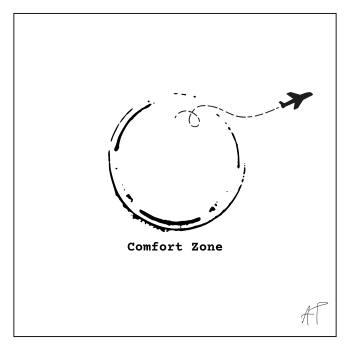
Growth happens outside your comfort zone. Often that means leaving the place where you were born and raised. Your brain adapts to the familiar, the same routes, foods, and routines, and stops noticing them. Drop it somewhere new and it lights up. New language, new food, new rules. Your brain has to work again.
Travel forces you to solve problems you did not plan for. That is the whole benefit.
The Awe Factor
The best moments happen in a country where you don't speak the language, don't know the rules, and have to figure it out on the fly. That collision of discomfort and discovery creates awe. It humbles you and excites you at the same time.
When we travel, we see through the noise of division and realize how much we all share. Across cultures, people want the same things: to love and be loved, to protect their families, to succeed, to find adventure, and to live free. The more you see of the world, the harder it becomes to believe the walls we (and our media) build between each other.
Tony
Anthony Bourdain shaped how I see the world. I miss him dearly, and he's one of the few people who changed my life from afar. Through Parts Unknown (which I stream often), he made travel feel less like tourism and more like connection: plastic tables, street food, and whoever sits down next to you. He showed that food was history, struggle, and joy all on a plate. What struck me most was how he revealed our common humanity: no matter where he went, people wanted to laugh, to love, to be free. That perspective pulled me out of my bubble and gave me the push to see the world myself, including my first trip to Asia. Tony showed me that travel is about collecting stories.
If you're getting into international travel, here are ten places I recommend, all accessible, impactful, and personally meaningful.
- Algarve, Portugal cliffs, coastlines, and life at half-speed.
- Bangkok, Thailand raw energy, endless flavors, and street markets that never stop.
- Barcelona, Spain art, tapas, and streets that stay alive all night.
- Medellín, Colombia the entrepreneurial scene and the culture are the reason to go.
- Mykonos, Greece magnetic energy, unforgettable nights, and unmatched beauty.
- Nosara, Costa Rica a blue zone where longevity is a way of life.
- Shanghai, China awe at the scale, speed, and ambition of modern China.
- Sorrento and the Amalfi Coast, Italy: coastal views that feel unreal and pasta that tastes like art.
- Tulum, Mexico a blend of luxury, beach life, and quick accessibility.
- Krakow, Poland historic, elegant, and filled with charm.
Blue Zones are regions in the world where people live significantly longer, often past 100, with strong health and vitality. While some researchers debate whether lifestyle or genetics explain the effect fully, the habits observed (diet, community, movement, and purpose) are worth learning from.
What the Science Says
Maddux and Galinsky ran five studies on this. Living abroad predicted creative problem-solving. Time spent traveling abroad predicted nothing. The effect only showed up in people who actually adapted to the place they moved to, not in people who passed through it. Trips give you stories. Moving changes how you think. Which is why the rest of this chapter is about moving.
The Checklist Trap
Too many travelers fall into "checklist mode." Fly in, hit four landmarks, snap the photos, and fly out. That's box-checking. Living in New York taught me this. I almost never went to Times Square, because no local does. And when someone told me they wanted to see it, I'd joke: "That's like going to Olive Garden in Italy."
If you want to really experience a place, you need depth, not breadth. Stay a few extra days. Walk the neighborhoods. Eat in a family-owned restaurant instead of the tourist trap. I've hosted family and friends in New York, and yes, the Statue of Liberty is inspiring. But their favorite moments were always the same: a long dinner at a tiny bar in the West Village.
Traveling the world has shown me lessons that repeat themselves everywhere. Over time, I've learned what works and what doesn't. Here are 7 rules to follow:
- Skip random airport taxis. They'll scam you. Use the taxi line or book ahead.
- Download maps offline. Google Maps offline is a lifesaver.
- Get currency early. Order from your bank; it's cheaper and can be shipped to your house.
- Eat local often. If there's a person outside with a menu, skip it.
- Rent a scooter. If it's safe, it's the most fun way to explore.
- Carry the right card. Always bring a credit card with no international fees; never use a debit card abroad.
- Learn core phrases. Do you speak English? Thank you. How are you? Non-negotiable.
To the last rule, before I first went to Paris, people often told me, "The French hate Americans". What I found was the opposite. I'd ask in French, "Do you speak English? (Parlez-vous anglais?)" and nearly everyone said, "a little." I'd compliment them, and they'd always help. The problem is tourists who expect everyone to speak English. That lack of respect kills connection. Learn a few phrases, honor the culture, and doors open.
Growth Demands New Soil
Live at least a year in a new place, a minimum of 100 miles from home. Far enough that you can't run back when it gets uncomfortable. It's scary, and that's the point. Fear is the first stage of growth. It forces you to meet people, find your own way around, and expand your sense of who you are. Living somewhere new builds adaptability and independence in a way nothing else does.
If you have the feeling you want to move and you're scared, do it anyway. Pick a place and go. You will never regret it. Leaving the familiar is tough, but the other side is filled with experience and growth. I was scared on every one of my moves, living across Europe, New York, Florida, New Jersey, and Pennsylvania, and each experience brought me new life, new people, and new strength.
When I started at St. Joseph's, they warned us non-stop during orientation that homesickness would come. I brushed it off, convinced it wouldn't hit me. Then boom, like a wave, it crashed in. I wanted to go home. But I stayed, pushed through, and what followed were four incredible years, filled with friends, learning, and growth I couldn't have imagined at the start.
Here's my framework for choosing a new place to live:
- Walkable first. Walkable cities are a must. Find the job or hobby, then live right nearby. For 12 years across multiple jobs, I lived within a 2-minute walk of my office.
- Live in the city. Stay within city limits. Commuter living kills connection. Living where others vacation is even better.
- Love the climate. Weather impacts mood and energy. I've always favored warm, which is why Florida kept pulling me back.
- Direct flight rule. Must have direct flights to your home base. You'll visit family, and they'll visit you.
- Experience over survive. Pick a city where your budget lets you live life, not just pay rent.
These US city rankings are purely my perspective, shaped by living, working, and traveling across these cities. Elite tier: New York, NY, the world's capital, energy unmatched. Top tier (huge markets): Miami, FL for vibes, culture, and global gateway; San Francisco, CA for the tech hub and West Coast edge; Boston, MA where history meets innovation and top-tier education; Washington, D.C. for government, defense, and cybersecurity; Chicago, IL for its central location, deep culture, and food scene. The wonders (mid-tier markets): St. Petersburg, FL for art, innovation, and beach energy; Austin, TX for growth, tech, and creativity in motion; Charleston, SC for history and southern hospitality; Dallas, TX for ambition, corporate HQs, and Texas swagger; San Diego, CA for lifestyle and perfect weather, always.
Each city has its own rhythm and energy. Experiencing them broadens your perspective on what America is. Travel teaches adaptability and creativity in ways books and classrooms can't. The more of the world you see, the more of yourself you discover.
“If I'm an advocate for anything, it's to move. As far as you can, as much as you can. Across the ocean, or simply across the river. The extent to which you can walk in someone else's shoes or at least eat their food, it's a plus for everybody.”
Anthony Bourdain